
Empowered Fundraiser

Welcome from Empowered Fundraiser

Fundraising and Donor Engagement Blueprint, prepared for Journalism New England.

This draft is a working document for the JNE leadership circle and the Empowered Fundraiser team. Enter the password Anne shared with you to continue.

That password did not match. Try again — or email Anne.
Reach out if you have any trouble — Anne@SheLeadsAI.ai
Empowered Fundraiser Consulting

Fundraising and Donor Engagement Blueprint

Prepared for Journalism New England  |  April 2026
Prepared by Anne Murphy alongside her fundraising consulting digital twin.
OrganizationJournalism New England
Prepared ByAnne Murphy, Empowered Fundraiser Consulting
Horizon12-Month Framework
Confidential — For Journalism New England Use Only
Open in AI
A busy mid-century newsroom.
A nearly empty modern newsroom.
Key Players
Erin O'Mara
Founder and CEO
Erin O'Mara
Journalism New England

Former President of The Nation and Founding Executive Director of the Nation Fund for Independent Journalism. A convener and capacity builder — she coaches newsrooms from alongside, connects organizations to resources, and facilitates the collaboration that makes sustainable local journalism possible. She launched JNE in 2025 and brought 13 newsrooms into its portfolio in the first year.

Board of Directors
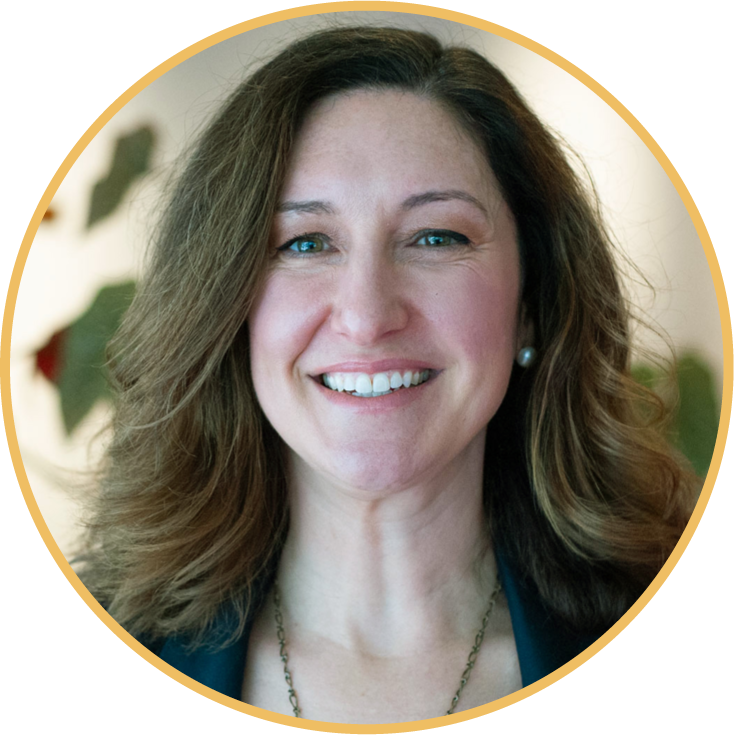
Sky Barsch
Sky Barsch
CEO, VTDigger
Nonprofit newsroom insider. Vermont journalism philanthropy network.
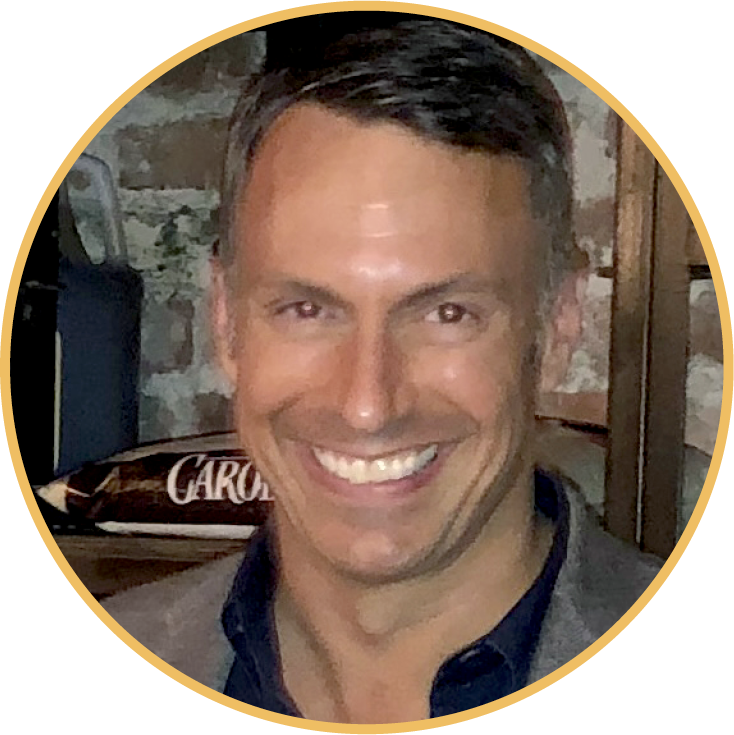
John Branca
John Branca
VP HR, Tory Burch
Corporate philanthropy and fashion/retail sector networks.
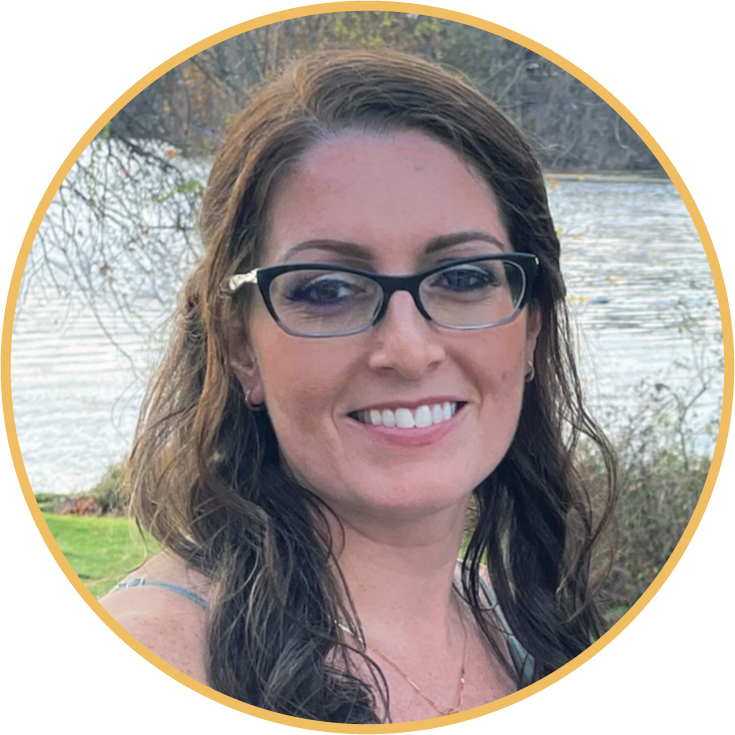
Denise Heller
Denise Heller
COO, The Nation Magazine
Direct line to The Nation Fund network and journalism funder relationships.
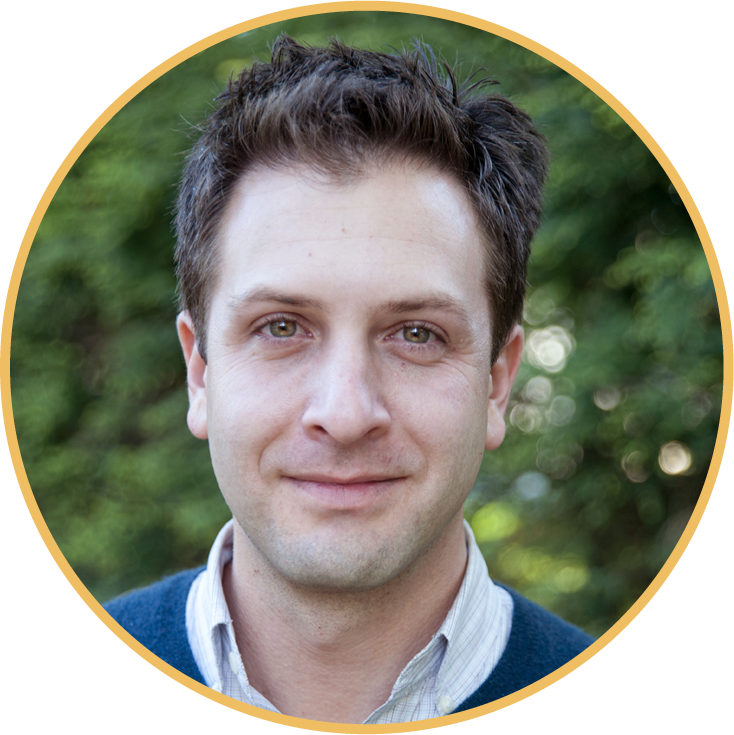
Evan Cooper
Evan Cooper
Former ED, Habitat for Humanity NW CT
Nonprofit leadership and Connecticut philanthropy connections.
Kara Douglas
Kara Douglas
Reporter, Harpswell Anchor
Community voice. 11 years covering local journalism from the inside.
Pamela Oberg
Pamela Oberg
Founder, SeaBlue Strategies
Operations and founder-growth expertise. Leading fundraising planning for JNE.
Chris Tomasino
Chris Tomasino
Literary Agent; Co-founder, Harpswell Anchor
Publishing and literary world connections. Helped launch a nonprofit newsroom firsthand.

"The perception of local news is shifting from a struggling industry to an essential public good. These newspapers are neighbors. They strengthen neighborhoods. Without them, division grows."
— Charles Blow, former New York Times columnist, on the local news crisis
How Our Agentic Fundraising Team Supported This Plan

This blueprint comes directly from Anne's extensive fundraising knowledge base and portfolio of dozens of completed client projects.

It is imbued with the fundraising trainings Anne has led, her live fundraising sessions on LinkedIn, the guides she has written, and her unpublished book. Her agentic researchers work in this second brain to analyze the case study and pressure-test strategies, ideas, and assessment.

1
Executive Summary
The Status and the Path Forward

Culture of Philanthropy

Under Erin O'Mara's leadership, Journalism New England has, in year one, established 13 newsroom clients, a funded communities of practice program, and a culture of philanthropy seeded by a visionary lead gift.

That lead gift is a signal to others — as are the institutional grants, the board's commitment, and Erin's conviction about this work. Together they tell a clear story: JNE is an organization worth joining.

The work ahead is to formalize, deepen, and expand that culture of philanthropy — building on what is already in place, and ready to grow.

The National Window

Erin is preparing to take JNE national. That ambition creates a compelling donor narrative: "Help us go from 13 newsrooms in New England to 50 newsrooms across the country." This blueprint sets up the infrastructure to tell that story at scale.

The Year-One Foundation

  • A transformational lead gift that anchored social proof and seeded the culture of philanthropy
  • A $75,000 Barr Foundation grant funding JNE's Communities of Practice program
  • 13 newsroom clients across the region, actively engaged and producing live impact stories
  • A Career Lab pipeline that placed its first graduate into a full-time reporter role
  • Individual giving already underway — an early core group of donors beginning to form (estimated — to be confirmed with Erin)
  • Institutional grantors who have signed on to the model — evidence the sector's most discerning funders see what JNE is building
  • A board with deep sector credibility — journalism, publishing, nonprofit leadership, corporate philanthropy — and networks positioned in the exact rooms JNE's next donors sit in
  • Erin O'Mara's 20+ years across commercial publishing, The Nation's leadership, and the founding of the Nation Fund for Independent Journalism
  • Pamela Oberg in a founder-growth role — operational and planning capacity without adding staff
  • Partner voices on the record — including Brian Zayatz of The Shoestring publicly calling JNE the first support organization to actually roll up its sleeves

The Pain Points This Addresses

  • The lead gift is transformational — and the relationship it represents needs a strategy for deepening, stewardship, and building beyond it before momentum cools
  • You are the organizational engine: every relationship, every conversation, every ask runs through one person. That is a capacity ceiling.
  • Grant revenue dominates the mix, and a single non-renewal creates a gap with nothing behind it
  • No systematic process yet for identifying and cultivating the next tier of major donors

What’s Inside

  • A close look at the lead gift relationship and how to build from it
  • A three-phase action plan for the Executive Director and trusted thought partners to shape as you design JNE's approach
  • A researched funder landscape with entry points by tier
  • AI tools and systems you can put to work immediately
The Story JNE Tells
Narrative Angles and Newsroom Stories

Every donor conversation, grant narrative, and cultivation meeting runs on story. These are JNE's — the angles that open doors and the newsrooms that prove the mission is working.

Compelling Narrative Angles

Six framings of JNE's work. Each one lives for a different kind of funder. Lead with the angle that matches who is across the table — and keep the others in reserve.

★ Democracy Infrastructure — Most Incisive

The frame. Local news is the first tier of civic accountability. When it collapses, city councils go unwatched, corruption goes unreported, and misinformation fills the vacuum. This is a democracy infrastructure problem — and it is solvable. JNE builds the layer that keeps accountability journalism alive.

Evidence. 2,500+ local newsrooms closed in the last decade. 85% of Americans say local media matters to their community. The gap between supply and demand is the gap JNE closes.

Best for. Democracy funders, civic-engagement portfolios, national foundations watching the erosion of public information. Also the strongest fit for Press Forward.

Opening line. "When a newspaper closes, a community loses the ability to see itself clearly. JNE is how we stop that from happening in New England."

The Multiplier Angle

The frame. One investment in JNE does not fund one newsroom. It funds the infrastructure that makes 13 newsrooms — and eventually 50 — financially sustainable. Every dollar to JNE compounds across the portfolio.

Evidence. 13 newsroom clients in year one. A $75,000 Barr Foundation grant distributed across peer learning for all of them. A Career Lab that feeds hires into the same network. Each dollar touches 13 organizations, not one.

Best for. Funders who already give to newsrooms and are looking for a new lane. Donors with an investor instinct who understand leverage. Family foundations that want compounding impact.

Opening line. "You can fund a newsroom for a year. Or you can fund the thing that keeps thirteen newsrooms open for a decade."

Peer Learning at Scale

The frame. Newsrooms learn better from peers who share their culture and mission than from consultants who don't. JNE builds the conditions for that transfer of knowledge — and the Barr Foundation has already validated the model with a $75,000 community-of-practice grant.

Evidence. CoP already funded and running. 13 newsrooms exchanging operational know-how across the region. The model scales because the cost per newsroom drops as more join — classic infrastructure economics.

Best for. Foundations focused on field-building, capacity-building, or community-of-practice methodology. Program officers who appreciate methodological rigor over inspirational pitch.

Opening line. "The Barr Foundation didn't give us $75,000 because they liked the pitch. They gave it because the model is working."

The Capacity-Builder Differentiation Angle

The frame. Most journalism philanthropy funds newsrooms directly. JNE funds the layer above — organizational development, financial sustainability, editorial strategy, hiring pipelines. JNE is the operating system that individual newsrooms run on.

Evidence. Few regional capacity-builders exist in journalism. JNE occupies an uncrowded lane. Funders who have already made newsroom grants gain something new: a way to support the ecosystem without duplicating what other funders already support.

Best for. Program officers whose portfolios are full of direct-newsroom grants and who are looking for sector-wide leverage. Strategic donors who want to back the structural rather than the episodic.

Opening line. "Other funders keep newsrooms alive one year at a time. JNE keeps the system that keeps newsrooms alive."

The National Expansion Angle

The frame. 2,500+ local newsrooms have closed in the last decade. JNE has proven the model works with 13 newsrooms in New England. The operative question is what it takes to scale to 50, then 100, nationally — and who wants to be in on the ground floor of that.

Evidence. Year-one traction: 13 newsrooms, Barr Grant, CoP running, Career Lab placing graduates. Erin O'Mara's credibility across national journalism philanthropy. A regional proof-of-concept funders recognize.

Best for. National funders, journalism-ecosystem philanthropists, donors motivated by scale. The angle that sustains major-donor conversations once the initial relationship is built.

Opening line. "What you are funding in New England this year is the pilot for what gets built nationally in five."

The Civic Health Angle

The frame. For regional foundations with community-health, civic-engagement, or place-based portfolios, JNE is a civic health organization as much as a journalism one. Every newsroom that survives because of JNE keeps a community with access to local accountability journalism — which correlates with civic participation, voter turnout, and local trust.

Evidence. Research from Duke, Northwestern, and USC links newsroom closures to lower civic participation and higher polarization. JNE's portfolio is the counterweight to those trends in New England.

Best for. New England community foundations, place-based donors, and regional civic-health portfolios. The angle that opens doors funders might otherwise not see themselves as journalism donors.

Opening line. "If your work is the civic health of New England, JNE is where that work shows up in local news."

The Stories That Drive This Work

Before Any Donor Meeting

Pick one story. Know it cold — the newsroom's name, what was at stake, what changed. Funders who've never heard of JNE will understand everything they need to know from one specific, named example.


2
Fundraising Readiness Assessment
A Starting Point for Your Team
Fundraising Readiness Assessment

Take the Fundraising Readiness Assessment — a short diagnostic from Empowered Fundraiser Consulting that surfaces where JNE is strong and where the next investment lifts the program. Pair it with the ED Questionnaire (Addendum C below) for a richer strategy conversation.

Ready-to-Use Resources
See the gift acceptance policy template, qualification and engagement memo, and volunteer roles slate in Supporting Materials.

4
The Opportunity
Why Now for Journalism Philanthropy
The Cause Moment

The journalism philanthropy landscape has shifted significantly. Major funders — Knight, MacArthur, Ford, and 60+ others — have committed over $500 million to local news ecosystems through the Press Forward coalition alone. Foundations that had never funded journalism are now actively seeking organizations with JNE's model.

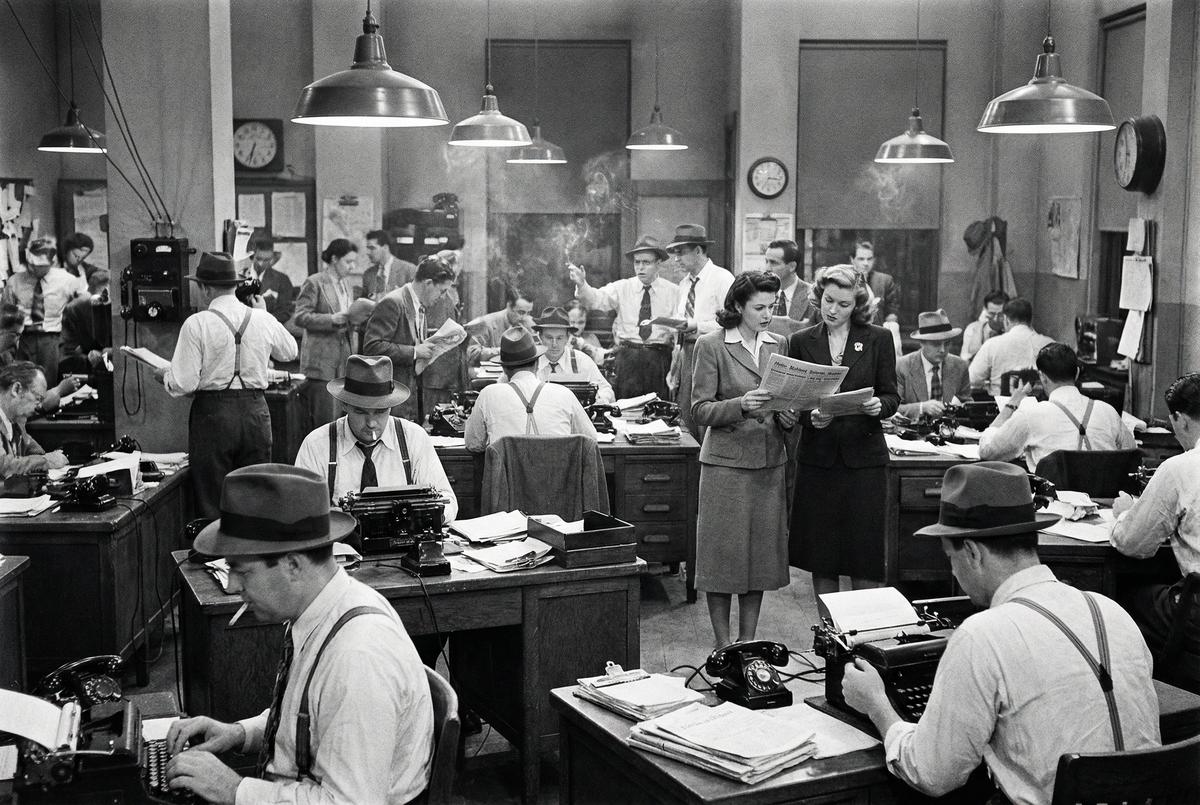
A busy mid-century newsroom — reporters at typewriters, editors reviewing copy, the organized chaos of a publication at full stride.
Mid-century. A newsroom at capacity.
A modern newsroom nearly empty — monitors dark, cardboard moving boxes on desks, a single figure in the background.
Today. The same room, after the cuts.

Erin O’Mara Is a Rare Asset in This Landscape

Most nonprofit EDs in this space are journalists who became administrators. Erin built and led the Nation Fund for Independent Journalism and served as President of The Nation. She understands both sides of the table — what funders want to fund and what newsrooms need. That combination is uncommon and fundable.

Her approach to this work defines her: she is a convener and capacity builder — she brings newsrooms together, coaches from alongside, and creates the conditions for peer learning rather than positioning herself as the expert in the room. In journalism philanthropy, that orientation is exactly what funders want to fund at the infrastructure level.

"Erin believes local journalism is essential — not just for democracy, but for our sense of belonging. She’s seen firsthand how trusted, independent news helps neighbors become a community — and how fragile that ecosystem can be."
— Journalism New England, Leadership Page
“A dollar invested in JNE doesn’t fund one story. It funds the infrastructure that makes a newsroom financially sustainable. That’s a multiplier story — and major donors fund multiplier stories.”
In Erin's Words — Why This Work

"Do you know communities that have local news have higher rates of civic engagement? Do you know that local papers are economic engines that connect local folks to businesses? Local news delivers a shared set of facts — and there are people in communities across the country delivering on the power of credible, local news."

"Do you know that many of the people behind local news are solopreneurs who put the mission of connecting people to their communities ahead of their paychecks?"

"Local news is personal. It's important."
JNE Partner Newsrooms
Sanford Springvale News
Nonprofit paper in Maine, produced by volunteers
South Berwick Reporter
Citizen organized and led, Maine
Saco Bay News
Launched and led by a single, intrepid journalist in Maine
East Greenwich News
News by and for the community in Rhode Island
The Shoestring
Speaking truth to power in Western Massachusetts
Georgetown Aging At Home
Redefining journalism through people-centered service in Maine
— Erin O'Mara, Journalism New England
The Research Backs Her Up

Pew Research Center found that civic engagement and local news habits are strongly linked — people who follow local news closely are twice as likely to participate in civic organizations. A Journal of Politics study found that voter turnout in local elections drops 4.35% with the loss of each local newspaper. When local news fades, governments perform worse: lower bond ratings, higher taxes, less accountability. This is infrastructure, not sentiment.

Sources: Pew Research Center (2016); Journal of Politics, Vol. 77, No. 2; Democracy Fund research on local news and democracy.


The Hub Strategy
JNE as the High-Visibility Connector of the Community

Erin is a convener by nature. The question is how to make that identity into a deliberate fundraising and visibility infrastructure — one that positions her as the hub of New England journalism philanthropy rather than one more organization submitting proposals. Two models, run in parallel, serve completely different audiences and completely different fundraising pipelines.

The person who convenes the room doesn't ask for anything in the room. And that is exactly how they become the person everyone wants to fund.
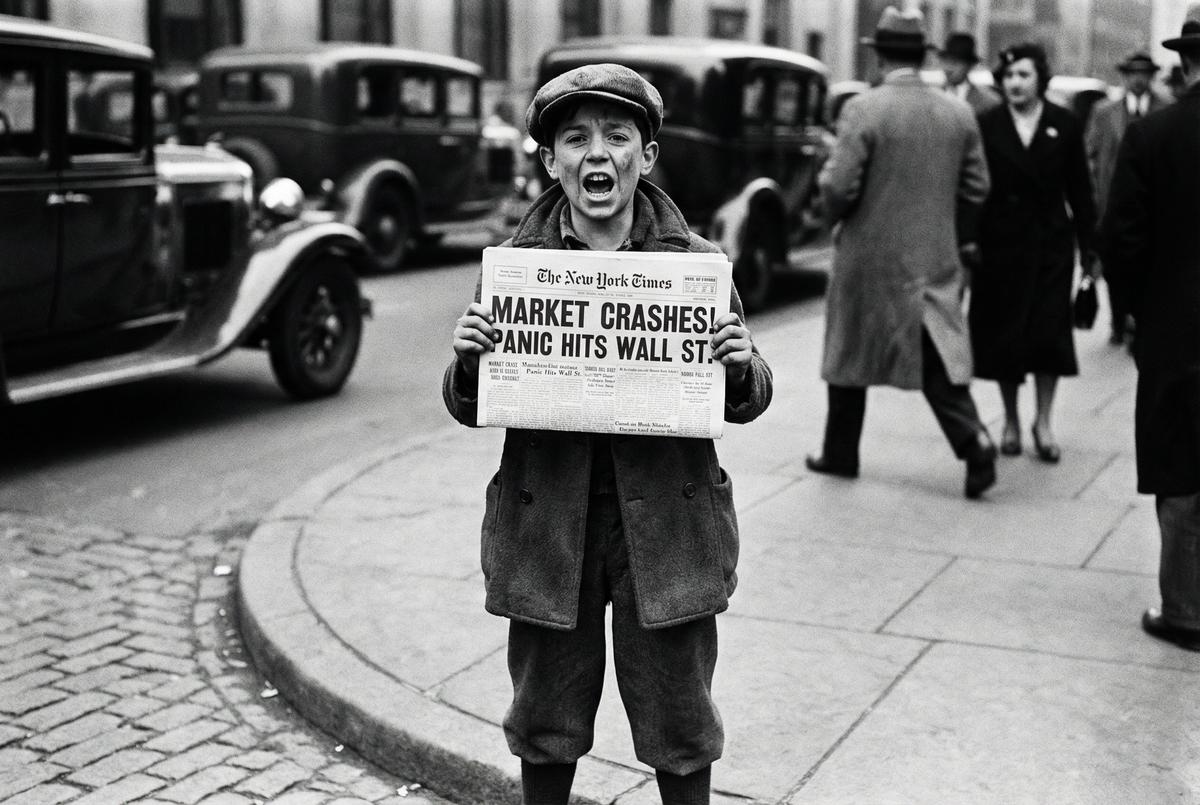
A newsboy shouting headlines in the 1920s.
The story that moves people. The reason this work matters.
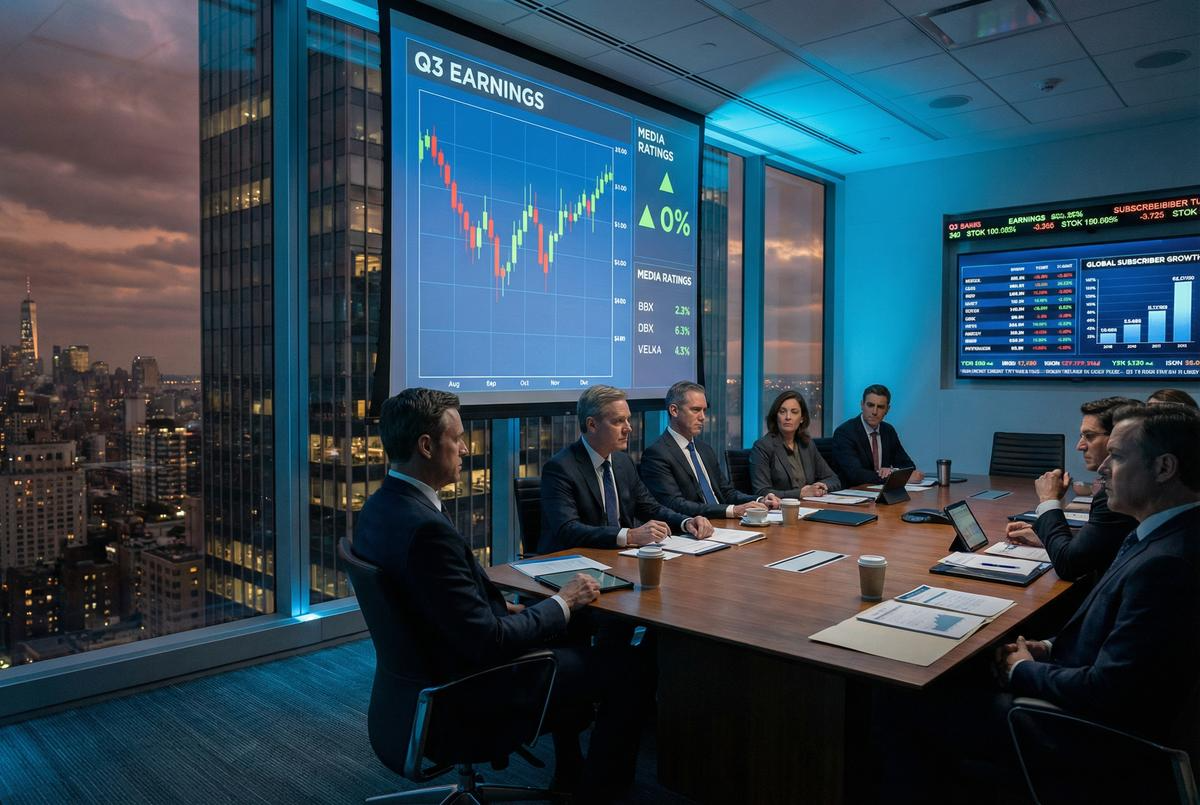
Executives in a boardroom, Q3 earnings on screen.
The audience Erin is convening. Program officers and funders who decide where the money flows.
Model One
The Masthead Roundtable
Quarterly  ·  8–12 people  ·  By invitation

Structured, topic-driven, peer-to-peer intelligence exchange. A full guide is available — ask Anne for the Masthead Roundtable playbook.

Who's in the room
  • Program officers at Knight, MacArthur, Lenfest, Press Forward, and New England community foundations
  • Executive directors of peer journalism support organizations (INN, AJP, Report for America)
  • Journalism policy advocates and civic media researchers
What happens
  • You set a question, not an agenda — something provocative enough that every person in the room has a real opinion. [Topic to be determined — the right question is the product of knowing the room.]
  • Every person in the room gets to think out loud with peers they rarely see together
  • You facilitate, synthesize, and close with a shareable one-pager
  • No ask. No pitch. Your job is to make something valuable happen for everyone else.
What it builds for JNE
  • Program officers become advocates — they talk to each other about JNE without Erin in the room
  • Erin is no longer a grantee. She is the person who convenes the sector.
  • Every relationship in that room deepens without a single explicit ask
  • After three roundtables, JNE is in the $250K+ grant conversation naturally
Model Two
The Donor Salon Series
Series of 3–4  ·  6–10 people  ·  Intimate and friendly

A series of 3–4 intimate, story-driven gatherings. Dinner-format, relationship-first cultivation. A full guide is available — ask Anne for the Donor Salon Series playbook.

Who's in the room
  • Individual major donor prospects — civic leaders, local business people, community philanthropists
  • People who love local news but aren't in journalism philanthropy professionally
  • Two or three existing donors to seed the energy in the room
What happens
  • Dinner. Erin tells one newsroom story — specific, named, before-and-after. Something that breaks your heart and makes you proud.
  • Guests share what local news has meant to them. The room does the cultivation work.
  • No ask at the event. Ever. The ask comes in a personal follow-up, 2–4 weeks later.
  • You close: "This work only happens because of people who believe in it before it's obvious. I'm glad you're in this circle."
What it builds for JNE
  • Warm pipeline of individual major gift prospects — people who have already told you why they care
  • Annual giving entry points at $1,000–$10,000 range
  • Named giving opportunities emerge naturally from these conversations
  • The salon becomes a credential: people want to be invited
The Key Distinction

The roundtable serves the institutional funding pipeline — grants, program officer relationships, sector credibility. The salon serves the individual giving pipeline — major gifts, annual donors, legacy prospects. Both leverage Erin's identity as a convener. Neither requires a development staff member to run. And together they make JNE the organization that journalism philanthropists — at every level — want to support.

Ready-to-Use Resources
See the 12-week Salon Series playbook and donor conversation questions in Supporting Materials.

6
Three-Phase Action Plan
Achievable, Founder-Led, Built for JNE's Capacity
A busy mid-century newsroom at full capacity.
The work worth sustaining. Every phase of this plan is built to keep people like this employed and connected to their communities.
How to Read This Plan

These three phases are sequential. Each one generates the information needed to do the next one well. You lead the relationships. The phases are built to be achievable alongside your full program calendar.

Phase 1
Visibility Audit and Quick Wins

Before reaching out to anyone new, map everything JNE already has. Visibility that already exists is always cheaper and faster to activate than visibility you have to build from scratch.

The Audit

  • Email list or newsletter, if one exists — who is already engaged?
  • Erin’s professional network — who does she know from The Nation, the Nation Fund, journalism circles?
  • Newsroom client relationships — which clients are personally invested in JNE’s success, not just their own?
  • Existing individual donors — who gave already and why? What did they say?
  • Grantors — which program officers have become true believers in the model?
  • Board networks — who does each board member know that hasn’t been asked yet?
  • Lead gift documentation — confirm the founding gift terms are in writing.

Quick Wins to Act On Immediately

  • Identify the 5 warmest people across all channels and schedule a personal note from Erin.
  • If board members aren’t all giving yet, begin those conversations. Personal giving at any level — before outside asks go out — is a baseline requirement for most major funders.
  • Confirm the founding gift terms are in writing and the relationship is on a stewardship calendar. Consider whether the founding donor might be willing to be a voice in JNE’s story — an introduction, a quote, or a presence at the first Donor Salon.
  • If Knight Cities Challenge is truly a match, apply before the April 30, 2026 deadline.
  • If you haven’t already, and if they’re a fit, initiate outreach to American Journalism Project and Press Forward.
Pro Tip — Map Your LinkedIn Connections

LinkedIn allows you to export your full connections list — and it takes about 24 hours to arrive. Download yours. As long as board members follow you on LinkedIn, their connections will be visible in your export too. Once you have the file, you can use a prompt Anne provides to map every connection across foundations, program officers, and potential donors — in an afternoon.

To download your data: LinkedIn → Settings & Privacy → Data Privacy → Get a copy of your data → select Connections → Request archive. Then ask Anne for the LinkedIn connection mapping prompt.

Phase 2
The Fundraising Feasibility Study

This is a short listening tour — super intentional, one-on-one conversations with 15–20 people who are already close to JNE’s work. Think of it as market research. Think of it as a feasibility study. The goal is evidence, not asks. Good fundraising decisions are made with data in hand.

Erin, Pamela, and one other trusted person can get this done. It does not require a team or a campaign infrastructure. It requires discipline, good questions, and careful listening.

How It Works

  • Define the list from Phase 1: 15–20 people who are warm — donors, grantors, newsroom clients who are personally invested, sector peers, board connections.
  • Each person gets a personal outreach from Erin: ”I’m doing a short listening tour as we think about JNE’s next chapter. I’d love 20 minutes.”
  • Every conversation is documented: what lit them up, what surprised them, what questions they asked, what they offered.
  • No asks during the feasibility study. The ask comes after.

What the Data Tells You

  • Who is genuinely excited — and at what level.
  • What the right fundraising narrative is, in other people’s words.
  • Which 5–8 people are the first asks, and what amounts make sense.
  • Whether a modest founding campaign is achievable this year — and what it should be called.
Phase 3
The Decision Conversation

After Phases 1 and 2, the Executive Director and trusted thought partners sit down with the data and make a judgment call together. What is feasible for the next 12 months, and who are the top asks to get there?

The Questions That Drive the Call

  • Who are the top 10 warmest prospects from the feasibility study? Which three are the first asks, and what are the right amounts?
  • What does the grant calendar look like for the next 12 months?
  • Is a $50,000 individual giving goal achievable this year? $75,000? More?
  • What does Erin need to be able to do that she cannot do right now?

The Output

A one-page action plan with specific names, ask amounts, timelines, and one owner for each action. Not a 40-page strategy document. A working list.

AI Agent Team — Supporting This Work

The following AI agents are available to support your fundraising work. Each one handles a specific task so you stay focused on relationships.

[Fundraising Digital Twin]Strategy sessions, donor prep, grant narrative drafting
MoxxeeDonor intelligence, prospect research (launching soon)
[Research Agent]Funder landscape, newsroom impact data, donor background
[Stewardship Agent]Thank-you notes, impact updates, touchpoint drafts

Agent names and Moxxee links to be finalized. Placeholder names shown.

Ready-to-Use Resources
See the End of Year Campaign plan and cadence, donor conversation questions, and volunteer roles slate in Supporting Materials.

+
Resources You Can Use Now
The Two Highest-Leverage Assets for the Year Ahead

Three assets from the larger library, featured here because they are the ones most likely to shape JNE's next twelve months. The End of Year Campaign plan sets up the highest-yield fundraising window on the calendar — build it in August. The Welcome Series converts a first-time giver into a second-year donor through gratitude and a prized message from a working editor. The Donor Conversation Questions equip anyone heading into a cultivation meeting with the bar of a working journalist's curiosity.

Campaign End of Year Campaign — Plan and Cadence

JNE's end of year campaign begins in August, peaks on Giving Tuesday, and closes at the stroke of midnight on December 31. Run this way, it is the single highest-yield window of the year for individual giving — and the one most often left on the table because preparation did not start in time.

Set it up now. Story gathering, email cadence, social cadence, donor list segmentation, match partner, design assets. Everything needed in October is commissioned in June. Late summer is when the campaign has to be ready to send, not ready to plan.

The Frame — a Prized Message from a Working Journalist

The campaign lives inside a bigger communication program. Every email from Erin carries a nugget of value before it carries an ask — a resource, an artifact, a short reading recommendation, a behind-the-newsroom insight, a craft note from a working editor.

The bar is that people open the email because it is a prized message from an actual journalist, not because it is a fundraising email from a nonprofit. When that bar is met, the ask at the bottom reads as the natural next beat — not the interruption.

Window What Happens
June — July Infrastructure and commissioning. Story gathering from the 13 newsroom clients. Career Lab graduate interviews. Partner and editor quotes on the record. Match partner secured. Email and social calendars drafted. Donor list cleaned and segmented.
August Soft launch + warm-up. One high-quality stewardship email early in the month — named newsroom story, no ask. The audience hears from Erin before they are asked. Social cadence begins — one post a week featuring a newsroom, a graduate, or a story. Voice and tempo set.
September — October Build the narrative. Two stewardship emails at a monthly cadence, each anchored by a different newsroom or Career Lab story. Social posts twice weekly. Partner amplifiers (the 13 newsrooms) briefed on what is coming. Giving Tuesday teaser planted in the final October email.
Early November Campaign opens. The match is announced. First direct ask goes out. Brian Zayatz / partner quote framing. Social cadence tightens to three posts a week.
Giving Tuesday Peak moment. The single highest-conversion send of the year. Match is live. Two emails the day of — morning kickoff, end-of-day close. Social every few hours across the day. Partner newsrooms share. Monthly giving prompt introduced.
December Year-end push. Weekly emails through December. Campaign-to-date numbers. Reporter and graduate voices. Monthly giving elevated. Final week — three emails (Dec 28, Dec 30, Dec 31 morning + afternoon). Match closes at midnight on Dec 31.
January Thank, steward, convert. Thank-you email to every donor. Monthly giving pitch to one-time donors. A newsroom-impact recap to the full list. Lessons-learned memo drafted while it is fresh.
Nuggets of Value — Pick One Per Send
  • A short reading recommendation from Erin — a piece, a book, a report worth the hour
  • A behind-the-newsroom dispatch — what one of the 13 newsrooms pulled off this month
  • A craft note from a working editor — what Erin sees when she reads journalism this week
  • A policy or industry brief — a paragraph on what just changed in journalism philanthropy
  • A Career Lab artifact — a reporter's first byline, a tip sheet, a pitch they sent
  • A partner voice on the record — a quote or an insight from one of the newsroom editors
Voice Rules
  • Every email signed by Erin — personal voice outperforms org voice
  • The nugget comes first. The ask comes second. Both can be short.
  • One clear ask per email, never multi-ask
  • Monthly giving prompt warms up in November, foregrounds in December
  • Stat density lightens across the arc — by the final sends it is almost all story
  • Every email has a paired social post
Ingredients JNE Already Has

The closure stats (150+ New England papers since 2014, 50%+ Maine readership drop, 2.5 US papers lost per week in 2024), the 85% public demand number, the Barr Foundation $75K grant, the Career Lab's first graduate placed as a full-time reporter, the Brian Zayatz quote from The Shoestring, and an Anonymous Founding Donor match structure. These are the ask-side content. The nuggets above are the value-side. Every send pairs one of each.

The Thing That Breaks Campaigns
Running out of time in late summer. When the campaign goes live in August without the infrastructure built, every week after compounds the scramble — stories get generic, sends get late, social cadence slips, and the Giving Tuesday moment arrives without the audience warmed up. The work in June and July is what makes December possible.
Series Welcome Series — After the First Gift

A four-email arc that begins the moment a new donor makes their first gift to JNE. It opens with gratitude, deepens with a piece of impact, offers a nugget from Erin's editor's desk, and closes with an invitation to stay close. Retention work is cheaper than acquisition — this arc is the difference between a one-time donor and a sustaining one.

The First Beat Is Gratitude

Email one is a personal thank-you from Erin inside of 24 hours. No ask. No next step. Just the fact of being seen, named, and welcomed into a circle of people who decided local journalism was worth keeping. The donor gives once. JNE says thank you well enough that they consider giving again.

Email Timing Beat + Value Nugget Close
1 — Gratitude Within 24 hours Thank you. Welcome to the circle. A short, personal note from Erin naming the donor and telling them who just joined. One sentence on a specific newsroom their gift is supporting.
"Your gift just landed. Here is who it joined."
Official receipt. No ask.
2 — Impact Day 7 What your gift made possible this week. A named newsroom, a named reporter, a named story — something specific that happened because JNE was resourced. The donor sees the return already.
"One story that would not have been written."
Stewardship only. No ask.
3 — Editor's Desk Day 14 A nugget from Erin the journalist. A piece worth the reader's hour — a craft note, a short reading recommendation, a policy brief on what is shifting in journalism philanthropy. The donor opens a prized message from a working editor.
"Something worth your Sunday morning."
Soft invitation to stay close.
4 — What's Next Day 21 Three ways to go deeper. Invitation to monthly giving, a JNE convening, or a short listening conversation with Erin. The donor chooses the depth. One specific artifact included — a Career Lab tipsheet, a CoP brief, a forthcoming event preview.
"Three ways to stay in this work with us."
Monthly giving prompt OR direct invite.
Voice Rules
  • Every email signed by Erin — first name, personal
  • Emails one and two have no ask — stewardship does its work first
  • Email three is the prized message, earn the reader's next open
  • Email four offers three paths, not one — the donor chooses the depth
Triggers and Mechanics
  • Triggered automatically by a first gift, regardless of amount
  • Runs independently of the End of Year Campaign cadence — donors in the series still receive campaign sends
  • Tracked separately in the CRM so retention rate on first-time donors can be measured
  • After Email 4, the donor graduates into the standard Erin list
Why This Series Is Worth Building First
The single highest-leverage fundraising improvement small shops can make is retaining their first-time donors into year two. The sector average for first-year retention sits near 20%. A thoughtful welcome series of the kind above lifts that number into the 45–55% range — which compounds year over year. Built once. Runs forever.
Companion Questions That Open Donor Conversations

A one-page asset for anyone at JNE heading into a cultivation conversation. Adapted from Anne Murphy's Donor Conversation Guide. Standalone branded version at C:\Users\anne\jne-donor-conversation-questions.html

Ask well. Then get quiet.

Most people walk into a donor meeting worried about what they will say. The best ones walk in knowing what they will ask. A thoughtful question signals respect, invites the donor to reveal what matters to them, and gives you the information you need to align JNE's work with their values — instead of guessing.

Motivation — why they give
  1. Tell me about the first time you experienced philanthropy — or saw someone make a difference in your community. (Anchor.)
  2. What are your hopes for the future of your community — for New England, for how people stay informed?
  3. I saw you made a meaningful gift to [organization]. What inspired that?
Alignment — how they see the issue
  1. What experiences have shaped how you think about local journalism — or the loss of it?
  2. Have you seen examples of civic change that inspired you? What made them work?
  3. What role does access to credible local news play in a healthy community?
Goals — how they define impact
  1. What is the most satisfying giving experience you have had? What made it feel that way?
  2. How do you like to stay involved with the organizations you support?
  3. Do you respond to special campaigns and matches, or prefer ongoing giving?
Decision-Making + Network
  1. How do you involve your family or others in your giving decisions?
  2. Would it help to bring someone else into this conversation?
  3. Who else in your network cares about local news, civic information, or journalism?
  4. Are there others you think JNE should know?
  5. Would you be open to making an introduction?
Three Follow-Up Tools
  1. Tell me more about that.
  2. Can you say more?
  3. If you had one more thought to share, what would it be?

Sometimes the best thing you can do is say nothing at all. Silence is not failure in a donor meeting — it is the signal that something real just happened. Let it breathe.


7
Prospective Grantors
The Landscape, the Funders, and How to Approach Each One

Grants and individual giving tell the same story. JNE should continue pursuing institutional funding aggressively while building individual giving in parallel. The two programs reinforce each other.

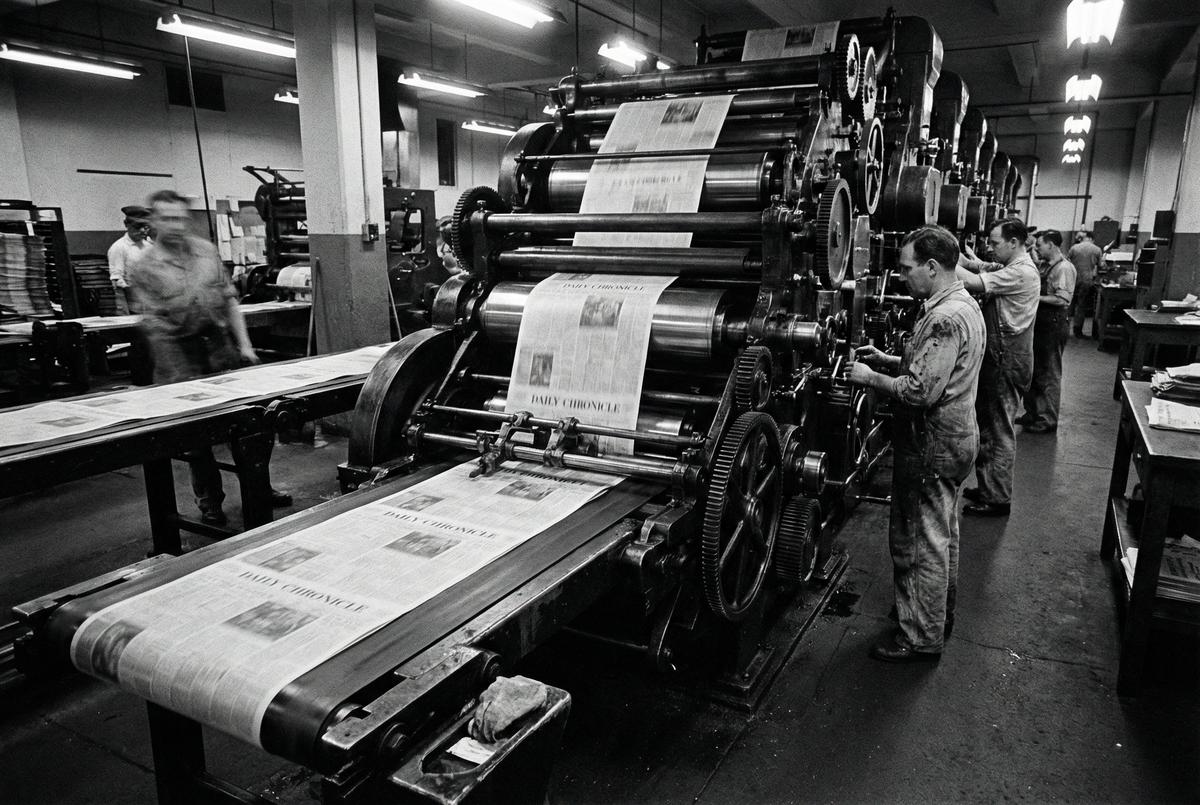
Workers operating a large newspaper printing press, ink-heavy rolls turning, pages emerging at speed.
The infrastructure behind every edition. Local journalism has always required someone willing to keep the presses running.

Funder Landscape — Researched April 2026

FunderFocus and ScaleJNE Fit and Entry PointPriority
Press Forward Pooled Fund110 funders, $400M+ disbursed. 41 local chapters. 18 New England outlets already funded.Exact lane. JNE’s capacity-builder model is precisely what Press Forward funds at the infrastructure level. Contact: grants@pressforward.news.Tier 1
American Journalism Project$175M raised since 2017. Funds operational sustainability for nonprofit newsrooms. 45 grantees in 36 states.By invitation only — but AJP explicitly welcomes outreach. Don’t wait for an open call. Erin’s background makes this a natural conversation.Tier 1 — Relationship First
Knight FoundationLargest journalism philanthropy in the US. Knight Cities Challenge open April 1–30, 2026.Strong fit for communities of practice. Knight Cities Challenge deadline is April 30 — act immediately.Tier 1 — Act Before April 30
New England Community FoundationsBoston Foundation ($1.7B assets), Maine CF, NH Charitable Foundation, Rhode Island Foundation, Vermont CF.Geographic advantage. Community foundations are framing local news as civic infrastructure. JNE’s New England roots are an asset here.Tier 1 — Geography Play
MacArthur Foundation$20M in new journalism grants recently. Democracy and journalism programs.Strong mission alignment. Longer process. The national expansion narrative is the right entry point.Tier 2
Democracy Fund / NewsMatch$275M+ in journalism grants. NewsMatch is an annual matching fundraiser with 500+ hours of capacity-building training.Apply to NewsMatch once individual giving infrastructure exists. It’s a fundraising tool and a donor development program simultaneously.Tier 2 — Year 2
Lenfest InstituteFunds journalism sustainability. Grants up to $100K. Open nationally.Good gateway grant for JNE’s consulting and communities of practice work.Tier 2 — Near-Term
Ford FoundationMajor national foundation. Part of the Press Forward coalition.Best fit once JNE has a clear national expansion plan and track record to back it.Tier 3 — Year 2–3
In Erin’s Words — The CoP Program

"There’s a master woodworker who teaches carving to beginners and opens her shop to people who feel a spark from the work. On Monday nights, experts and novices gather and carve. Those who have experience share it and those who don’t, learn — and the transfer of knowledge is seamless and joyful. The community created allows everyone to grow and gives even the least experienced openings to share and shine."

"Our partner newsrooms have told us constant coaching can be difficult to grasp and integrate. They benefit from being with others who understand their culture, concerns, and mission."

"Let’s make something strong and beautiful... together."
— Erin O’Mara, announcing the JNE Communities of Practice program
Narrative Angles

The narrative angles near the top of this document are starting points. Each one can be developed further — into donor proposals, talking points, email outreach, newsletter copy, and more. See The Story JNE Tells above.


8
AI Tools You Can Use Right Now
Nonprofit Fundraising Without the Overwhelm
The Principle

Erin is a journalism expert. She should spend her time consulting with newsrooms and building the relationships that sustain them. AI handles the research, preparation, and administrative load. This is nonprofit fundraising without the overwhelm.

Where AI Helps Right Now

  • Donor conversation prep — research a prospect and prepare talking points before every cultivation meeting.
  • Impact reporting — synthesize consulting data from 13 newsrooms into funder-ready narratives.
  • Grant narrative drafting — draft modular grant narratives from the angles in Section 9, adapted per funder.
  • Thank-you note drafting — personalized stewardship messages. You edit and sign.
  • Feasibility Study prep — before the Phase 2 Fundraising Feasibility Study, use AI to research each contact, draft a personal outreach note, and build a one-page brief on each person in the room.

Tools Worth Knowing

  • Claude (claude.ai) — strategy, drafting, research. See the ED Questionnaire in the addenda — ten questions you can take directly into Claude for a tailored 90-day plan.
  • Moxxee (in development) — donor intelligence platform built for nonprofit fundraising. Prospect research, data enrichment, cultivation intelligence at nonprofit scale. Plan to adopt Moxxee as your primary donor intelligence tool when it launches. [Moxxee links to be added when live.]
Also from Empowered Fundraiser Consulting
  • Grant Dashboard — A working grant tracker: funders, deadlines, status, and priority in one view. No complicated setup.
  • Grant Genie Coming Soon — Continuous grant intelligence: funder matching, narrative drafting, deadline tracking, and renewal reporting in one system.
  • AI Agents & Skills for Fundraising — Packaged workflows for prospect research, cultivation moves, board engagement, stewardship drafting, and more.
  • Empowered Fundraiser Digital Twin — Thirty-three years of campaign counsel and major gift strategy, available as an AI system. Advises on asks, reviews case language, surfaces red flags — the way a senior advisor would.
AI in a Journalism Context

The distinction worth making: AI used for operational efficiency (research, preparation, admin) is different from AI used for content creation. Using AI to prep for a donor meeting is no different from using a CRM. Frame it as a tool, not a strategy — and never let AI touch editorial work.

Addendum C

ED Questionnaire — AI Consultation Starter

These questions are designed for Erin to answer with an AI assistant to generate a tailored fundraising strategy. The output is only as good as the specificity of the input — answer with as much detail as you can.

  1. Tell me about your founding donor — how did they find you, what do they care about most, when did you last connect with them, and what do you think they worry about when they think about JNE’s future?
  2. Name your top 5 relationships right now — not donors, relationships. Who would take your call immediately?
  3. What impact story makes you most proud to tell? A specific story about a specific newsroom that changed because of JNE.
  4. What would $250,000 in individual donations change for JNE in the next 12 months? What would you do with it?
  5. Which of your 13 newsroom clients has changed the most since working with JNE? What happened?
  6. Take a minute and write down as many names as you can — from neighbors to movie stars — who you would love to work with as a donor. Why each one? What draws you to them?
  7. What’s the ask you’ve been avoiding? The one you keep pushing off?
  8. If you could clone yourself for one week to do fundraising tasks, what would your clone do first?
  9. What would national scale look like — 50 newsrooms? 100? — and who do you imagine funding it?
  10. What’s the story you tell about JNE at a dinner party? Use those exact words.
How to Use This

Use your microphone to speak your answers — not type them. You want to capture your actual storytelling, your enthusiasm, and your voice. Open Claude (claude.ai) or ChatGPT, enable voice input, and talk through each question as if you're telling a colleague over coffee. Then ask: ”Based on my answers, what are the three most important fundraising actions I should take in the next 90 days?”

Addendum D  —  Leadership Profile: Erin O'Mara
Erin O'Mara, Founder and CEO, Journalism New England
Founder and CEO
Erin O'Mara
Journalism New England  |  Harpswell, Maine

Erin is a convener and capacity builder — a servant leader. She does not position herself as the expert at the center of the room. She brings organizations together, facilitates peer learning, and coaches from alongside. Her approach is hands-on and relational: roll up sleeves, get to work, make the introduction, connect the right people. That is not an operational style. It is a philosophy — and it is the philosophy that built Journalism New England.

Career Arc

RoleOrganizationSignificance
Founder and CEO (2025–present) Journalism New England Founded to provide tailored sustainability coaching to local newsrooms. 13 clients. CareerLab program (4 community news fellows at The Providence Eye). $75K communities of practice grant.
Founding Executive Director (2021–present, now Strategic Advisor) The Nation Fund for Independent Journalism Spun off The Nation's educational programs into an independent 501(c)(3). Built the Fellowship for the Future of Journalism from scratch — 7 NYC public school students, first cohort, 100% retention. Second cohort (10 students) funded by Pinkerton Foundation. Oversees the Victor S. Navasky Internship Program — 40-year track record, thousands of alumni now working in major national newsrooms.
President (2016–2022) The Nation magazine Managed revenue and operations. Grew print, digital, and ancillary revenue streams. Left when Bhaskar Sunkara (Jacobin) came in as successor.
VP Consumer Marketing TV Guide Hired during the transformational relaunch. Developed critical customer conversion strategy.
Senior roles Wenner Media (Rolling Stone, Spin), Forbes, Playboy, Brant Publications 20+ years of commercial publishing and subscription operations — she understands the revenue side of journalism institutions, not just the editorial side.

The Maine Identity

Erin lives in Harpswell, Maine. She writes a monthly personal essay column — "Never Not Amazed" — for The Harpswell Anchor, a nonprofit local paper she helped revive. In 2024 she co-edited Alive to This: Essays on Living Fully by 20 Maine Writers (Littoral Books), which won the 2025 Maine Writers and Publishers Alliance Award for Best Anthology and the John N. Cole Award for Maine Nonfiction. She is not a transplant to the local news cause. She lives it.

For Donor Conversations

Erin does not argue from abstract civic duty. Her frame is belonging — local news is how neighbors become a community. That argument lands differently with major donors than "democracy needs journalism." It is personal, place-based, and hard to dismiss.

Credibility Anchors for Major Gift Conversations

  • 20+ years across commercial publishing, nonprofit leadership, and journalism philanthropy — she speaks fluently to both the mission and the business model.
  • 100% retention on the first Fellowship cohort — she builds programs that work. The track record is real.
  • Victor S. Navasky Internship Program: 40 years, thousands of alumni in major national newsrooms — proof of long-term, durable institution-building.
  • Personal roots in New England — award-winning writer, community newspaper board member, Maine essayist. She did not parachute in.
  • Launched JNE at exactly the right moment — the Press Forward coalition ($500M+ from 60+ national funders) and the American Journalism Project ($175M since 2017) are actively funding organizations in JNE's lane. Erin has the network access to walk into those conversations.
Addendum E  —  Policies

The full fundraising policy set — Board Giving, Gift Acceptance, Pledge, Naming Rights and Donor Recognition, Confidentiality, Conflict of Interest, Endowment and Restricted Gifts, and AI in Fundraising Governance — lives in Supporting Materials → Fundraising Policy Set. Each is available as an anonymized template upon request through Empowered Fundraiser.

Addendum G  —  Decade of Domination: Media Power, Economy & Ownership + Show

The collapse of local news was engineered — decade by decade — as ownership consolidated, economic models fractured, and power migrated from communities to corporations and algorithms. This arc is the donor narrative. JNE exists to interrupt it.

Era Ownership Shift Economic Engine Power Mechanism
1900s–1910s
Tycoon Dawn
Hearst and Pulitzer fuse news with industrial fortunes. Yellow journalism sells wars. Local ads and subscriptions. NY Journal peaks at 1M circulation. Direct editorial edicts. Sensationalism as circulation strategy. Pluralism nascent.
1920s–1930s
Radio Chains Rise
RCA/Sarnoff monopolize airwaves. NBC launches 1926. FCC licenses as "public" but owners script content. Ad revenue explodes to ~10% of GDP. Depression era curbs investigative work. Indirect control via star talent and budget authority.
1940s–1950s
TV Empires & Peak Regulation
CBS and ABC dominate. Chains own 40% of daily newspapers. Fairness Doctrine (1949) mandates balance. TV ad revenue surges 500%. Structural control — owners hire and fire. Libel protections begin (Sullivan 1964 roots).
1960s–1970s
Investigative Zenith, Chain Creep
Watergate era. Knight-Ridder and Gannett consolidate 100+ papers. ASNE ethics codes formalized. Advertising peaks at 60% of revenue. Chains introduce subtle pro-business editorial pressure alongside investigative glory.
1980s–1990s
Deregulation Deluge
Fairness Doctrine repealed (1987). Telecom Act (1996) frees mergers. Sinclair acquires 100+ stations. 50 firms control 90% of media. Digital signals emerging. Craigslist begins dismantling classified revenue. Ownership consolidation chills editorial dissent across broadcast and print.
2000s
Platform Plunder Begins
Facebook (2004) and Twitter (2006) begin siphoning ad dollars. Gannett PE raids begin. 500 newspapers fold. Platforms capture $100B in ad revenue between 2004–2014. Algorithms curate at scale. Murdoch's News Corp / Fox shapes national political framing.
2010s
PE Vultures & Billionaire Buyouts
Alden Global and Apollo devour 200+ outlets — newsroom staff cut 75%. Bezos acquires the Washington Post (2013). Platforms capture 70% of ad revenue. Ad revenue model collapses for most local outlets. Diagonal ownership ties (Amazon media ecosystem). Rightward editorial homogenization in chain-owned outlets.
2020s–2026
AI Oligopoly
PE owns 1 in 5 remaining papers. Google and Meta control 55% of all digital advertising. AI drafts an estimated 40% of published content. 300+ outlets close per year. News organizations receive roughly 4% of the digital ad pie. The Corporation for Public Broadcasting loses $1.1B in federal funding. Algorithms amplify elite voices, accelerate outlet closures, and create information voids in communities that once had robust coverage. Philanthropy ($1.5B nationally) creates the infrastructure for organizations like JNE.
A young newsboy in a cap, shouting a headline about the market crash, standing on a city street in the 1920s.
1929. A kid on a corner, shouting the truth at anyone who'd listen.
Suited executives around a boardroom table, Q3 earnings chart glowing on a screen.
Quarterly earnings charts while 300 outlets close per year.
Dual monitors showing web analytics dashboards.
Platforms optimizing for scale, clicks, and quarterly growth.
"Local news reminds us how much we have in common. That we are communities first, not partisan enemy combatants."
— Charles Blow, former New York Times columnist, on the local news crisis
The Donor Argument

Every decade on this timeline represents a deliberate consolidation of power — away from communities, toward capital. JNE is infrastructure for counterpower. A dollar invested here funds the layer that keeps local accountability journalism viable in the one decade that could go either way. Break 2026's grip.

Use this timeline in discovery conversations with donors who are drawn to systems-level giving — the funders who want to understand why the problem exists before committing to a solution. It pairs vulnerability (how fragile the ecosystem is) with evidence (JNE's model is the intervention).

Closing Recommendation
The Case for a Modest Founding Campaign

This blueprint points to a founding campaign for JNE — small, deliberate, and designed to do what a large campaign cannot.

A modest campaign gives Erin and the board a structured excuse to develop the frameworks for collaboration, line up a few champions, and bring the right people in on the ground floor. It creates an elevated moment, a reason to rally, and a visible milestone for donors who want to see the organization moving forward before they commit.

The Working Group

Four people. They meet once a week. They actually do things. You lead the relationships. Pamela designs the structure and runs the sprints. One board member opens two doors a month. One external champion — someone who already believes — tells the story to one new person each week. That is a campaign.

The Agent Team

Four people with an AI agent team behind them move faster than ten people without one. The agents handle prospect research before every meeting, draft the outreach, build the stewardship touchpoints, and synthesize what the group is learning. The humans make the decisions. The agents do the prep.

The Argument for Starting Small
  • A modest campaign builds the muscle memory for a larger one — you learn who shows up, what language lands, which doors actually open.
  • It lets the founding donor see their investment multiplied without pressure — they watch JNE build, not scramble.
  • It gives Pamela a clear sprint to design and launch: a defined beginning, middle, and end.
  • It creates the proof for the roundtable and the salon: "Last year we ran our first founding campaign. Here is what we learned." That is a funder conversation.
  • It is achievable. Four people, one year, a handful of champions, a clear goal.

The goal this year is a group of people brought in on the ground floor — people who know JNE's story, believe in Erin, and are ready to do something larger when the time comes. That group is worth more than the dollars this campaign will raise. And it sets up everything that follows.

Sources and References

This blueprint was developed from a combination of primary source conversations, organizational research, and publicly available journalism philanthropy data.

SourceDescription and Use
Anne Murphy, Empowered Fundraiser Consulting
April 2026
Primary strategic source. This blueprint comes directly from Anne's extensive fundraising knowledge base and portfolio of dozens of completed client projects — imbued with the fundraising trainings she has led, her live fundraising sessions on LinkedIn, the guides she has written, and her unpublished book. Her agentic researchers work in this second brain to analyze the case study and pressure-test strategies, ideas, and assessment. Anne Murphy is the lead author of this blueprint.
Informal conversation with Erin O'Mara, Founder and CEO, Journalism New England
2025
A friendly, informal conversation between Anne Murphy and Erin O'Mara — not a formal intake session — that provided firsthand context on JNE's founding story, the newsroom client relationships, Erin's vision for national expansion, and the early culture of philanthropy being built. Core source for Sections 1, 2, 4, and 6.
Zoom call — Journalism New England organizational briefing
2025–2026
A Zoom call covering JNE's organizational status, programs, and fundraising context. Provided additional depth on the current state assessment, the founding donor relationship, and the board's role. Informed Sections 2, 6, and 7.
Pamela Oberg, SeaBlue Strategies — JNE Board Member
April 2026
Pamela Oberg provided organizational updates and context in her role as the JNE board member leading fundraising planning. Her briefings informed the current state assessment, the founding donor framing, and the three-phase action plan. Pamela is also the connection between Anne Murphy and JNE.
Research — public and private databases, journalism philanthropy landscape
Compiled April 2026
Research conducted in April 2026 drawing on both publicly available sources and private/proprietary databases. Includes funder landscape data (Press Forward, AJP, Knight, MacArthur, Lenfest, Democracy Fund), newsroom sector data (closures, INN membership, nonprofit news growth), Erin O'Mara's professional record, and JNE organizational data. Informs Sections 4, 9, and Addendum D.
Journalism New England — Leadership Page
journalismnewengland.org/leadership
Source for Erin O'Mara's biography, the JNE mission statement, the belonging quote, Jason Brown's profile, and all board member bios used in Section 7 and Addendum D. Headshot sourced from the same page.
Journalism New England — About
journalismnewengland.org
Organizational mission, program overview, CareerLab description, and the 13-newsroom client count.
The Nation Fund for Independent Journalism
thenationfund.org
Fellowship for the Future of Journalism details (100% retention, first cohort), Victor S. Navasky Internship Program history, Pinkerton Foundation grant. Used in Addendum D.
NHPBS / Granite State News Collaborative
nhpbs.org
"Across New England, new strategies and collaborations fill the need for local news" (2025). Source for Erin's quote on collaboration, business model innovation, and awareness as signs of hope for local journalism. Used in Section 4.
Press Forward Coalition
pressforward.news
Coalition overview, $400M+ disbursed figure, 110 funders, 18 New England outlets funded. Used in Sections 4 and 9.
American Journalism Project
theajp.org
$175M raised since 2017, 50 nonprofit newsrooms supported, by-invitation model. Used in Section 9.
Knight Foundation — Knight Cities Challenge
knightfoundation.org
Knight Cities Challenge open April 1–30, 2026 deadline. Used in Sections 8 and 9.
Lenfest Institute for Journalism
lenfestinstitute.org
Grant range, open national funding, communities of practice network context. Used in Section 9.
Maine Writers and Publishers Alliance
mainewriters.org
2025 Book Award for Best Anthology and John N. Cole Award for Maine Nonfiction for Alive to This. Used in Addendum D.
The Nation — "The Nation Has a New President"
thenation.com
Original announcement of Erin O'Mara's appointment as President of The Nation (2016). Used in Addendum D career arc.
Empowered Fundraiser Consulting — Client Deliverable Archive
EF Client Deliverable 01–17
Anonymized — on file
Final fundraising blueprints, campaign plans, feasibility study frameworks, major gift strategies, case statements, and grant narrative structures delivered to 17 clients across higher education, arts, STEM, community organizations, and public media. These deliverables form the structural foundation of the Empowered Fundraiser methodology and are the primary source material for the Empowered Fundraiser Digital Twin. Referenced throughout this blueprint as the basis for strategic recommendations.
AI and Fundraising — Transcripts and Presentations
2024–2026, on file
Presentations, session transcripts, and workshop materials from Anne Murphy's AI and fundraising trainings. Source for the AI tools framework in Section 10 and the Empowered Fundraiser toolkit descriptions.
Annual Giving and Major Gift Training Materials
On file, Empowered Fundraiser Consulting
Proprietary training frameworks covering annual fund strategy, major gift moves management, donor cultivation sequencing, and stewardship. Informs the three-phase action plan structure and donor conversation guides in this blueprint.
Anne Murphy
Prepared by
Anne Murphy
LinkedIn
CEO and Principal Consultant  ·  Empowered Fundraiser Consulting  ·  empoweredfundraiser.com
Founder and CEO  ·  She Leads AI  ·  sheleadsai.ai

Anne Murphy has spent 33 years in nonprofit fundraising — with deep roots in higher education, including significant work in STEM fundraising at research universities, community colleges, arts centers, and parks and recreation. Her practice centers on fundraising campaign strategy and the women in philanthropy movement. She has advised capital campaigns, individual giving programs, and grant strategies across arts, education, STEM, journalism, and public media. Her clients are organizations where the ED is the campaign.


3
Fundraising SWOT Analysis
Assessment of JNE's Position

Strengths

  • Erin O'Mara's credibility — former President of The Nation, founder of the Nation Fund for Independent Journalism, 20+ years across commercial publishing and journalism philanthropy
  • Founding donor relationship is intact and close — a signal to the next tier of donors
  • Institutional grantors already on board — the $75,000 CoP grant is proof of funder confidence, not just funder interest
  • 13 newsroom clients providing real impact stories, not projections
  • Rare model in the sector — capacity-builder, not a newsroom. Funders who've already given to newsrooms have a new lane to give into.
  • Pamela Oberg's founder-growth expertise in a board role — operations and planning capacity without adding staff

Weaknesses

  • Grants are the primary revenue source — individual giving is still early
  • Fundraising sits with Erin alongside her program work — the plan must fit that reality
  • Founding donor relationship is close — a strategic asset for inspiring the next tier
  • Board members each have full-time roles — sprints and targeted asks work better than sustained asks
  • Grant cycles — a non-renewal can create a gap if individual giving is not yet established

Opportunities

  • Major national funders have committed $500M+ to local news ecosystems since 2020 — and New England organizations are among those already funded
  • National ambition creates a major donor narrative
  • 13 client stories are ready-to-deploy impact content
  • Press Forward coalition (110 funders, $400M+) is the exact lane
  • New England community foundations actively funding local news
  • Erin's journalism sector credibility opens doors most EDs can't

Threats

  • Grant funding cycles — a single non-renewal can hurt
  • AI credibility concerns specific to journalism sector — frame AI use as operational efficiency, not editorial
  • Competing journalism organizations applying to same funders
  • Economic uncertainty in 2026 affecting foundation budgets and individual giving
Workers at a newspaper printing press, ink rolling, pages emerging.
The infrastructure local journalism has always required — and what JNE exists to sustain.
+
Supporting Materials
Reference Resources and Ready-to-Use Playbooks

A working library for Erin and the JNE circle. Each item below is either a ready-to-use JNE asset or an anonymized reference sample from Anne Murphy's practice — adaptable to JNE's context. Click any heading to expand.

Roles Volunteer Roles and Responsibilities

Two working-draft charters for the volunteer leadership bodies a capital or endowment campaign relies on. Both are anonymized from recent client work. Volunteer-facing only — staff role definitions are intentionally out of scope. Pair with the Confidentiality Policy and the Conflict of Interest Addendum in the Fundraising Policy Set above.

Draft Charter Campaign Advisory Committee

Status. Working draft, anonymized for reference. Prepared with Empowered Fundraiser, campaign counsel.

The Campaign Advisory Committee is the working committee of the capital campaign. It broadens the circle of leadership beyond the board, brings community voice into the campaign, and carries the case for support into the networks where the next generation of donors already gather.

  1. Purpose. The Campaign Advisory Committee supports the relationship with donors and prospective donors at the mid-level range and above [TBD — threshold, commonly $5K or $10K]. It does this by opening doors, hosting cultivation gatherings, accompanying the Executive Director, Board President, or campaign counsel into conversations, peer-signaling within their own networks, and validating the case for support. The committee does not solicit gifts. Solicitation is performed by the Executive Director, Board President, and campaign counsel, supported by committee members who bring the relationship.
  2. Composition. The committee is composed of 15 to 20 members, appointed for the duration of the campaign. Composition is designed to reflect the full range of [Organization]'s relationships in the community. Target representation includes current and former board members, past organizational leaders and long-tenured volunteers, community connectors active in local civic life, leaders from community leadership networks, active program participants and alumni, representatives of key philanthropic families, connectors to the nearest university community, and connectors to affiliated guilds and networks.
  3. Appointment. Members are appointed by the Board President on the recommendation of the Executive Director, in consultation with campaign counsel. Invitations to join are personal and come from the Board President.
  4. Term. Appointment is for the duration of the active campaign. Members may step off at any time and may be formally recognized at the close of the campaign. A member whose circumstances change may shift to a reduced role by mutual agreement.
  5. Role and responsibilities. Each member commits to the following.
    5.1. Make a personal gift at a level meaningful to them, at or above the Advisory Committee giving threshold [TBD — $5K or $10K], documented in a signed pledge.
    5.2. Identify and open doors to prospects in their networks.
    5.3. Host or co-host at least one cultivation event or small gathering during the campaign.
    5.4. Accompany the ED, Board President, or counsel into at least [TBD — number, commonly 3–5] conversations with prospects per year.
    5.5. Speak in their own voice, in the settings they already inhabit, about why [Organization] matters.
    5.6. Attend committee meetings and receive campaign updates.
    5.7. Sign the Confidentiality Policy and the Conflict of Interest Addendum.
  6. Meetings. The committee meets [TBD — cadence, commonly monthly during the quiet phase, adjusted during the public phase]. Meetings are chaired by [TBD — committee chair, commonly a respected board member or past board leader]. Campaign counsel attends. Staff support is provided by [TBD — staff lead].
  7. Task forces. During the public phase, the committee may organize into task forces focused on specific audiences or activities (events, alumni and partner networks, business community, faith communities, and similar). Task force membership is voluntary.
  8. Chair. The committee chair is appointed by the Board President on the recommendation of the Executive Director. The chair sets the meeting cadence with staff support, ensures member engagement, and serves as the committee's voice to the board.
  9. Relationship to the board and to the Cabinet. The committee reports to the board through the committee chair and the Executive Director. The committee works in coordination with the Campaign Cabinet, whose members support the relationship with top-of-pyramid prospects. Members of one body may be members of the other.
  10. Recognition. Committee members are recognized throughout the campaign and at the campaign close through a formal reception, a standing place on the donor recognition wall, and continued connection to [Organization] through an alumni network maintained by the Executive Director.
  11. Exit and alumni. At the close of the campaign, committee members become part of a campaign alumni network and are invited to stay engaged with [Organization] as ambassadors, hosts, and advocates.
Acknowledgement template. I, ________________________, accept appointment to the Campaign Advisory Committee of [Organization]. I have read and agree to the responsibilities described above. I have received and signed the Confidentiality Policy and the Conflict of Interest Addendum. Signature. ________________________ Date. ________________________
Draft Charter Campaign Cabinet

Status. Working draft, anonymized for reference. Companion to the Campaign Advisory Committee Charter.

The Campaign Cabinet is the small, senior leadership body of the capital campaign. Its members anchor the top of the pyramid of giving, set the pace through their own commitments, and support the relationship with the prospects whose gifts will define the campaign's success.

  1. Purpose. The Campaign Cabinet supports the relationship with top-of-pyramid prospects whose commitments are positioned at the campaign's leadership giving level. It does this by making lead gifts themselves, anchoring the case for support among their peers, accompanying the Executive Director, Board President, and campaign counsel into cultivation and solicitation conversations, and signaling to other major donors that this is a campaign worth joining. The Cabinet does not solicit gifts in isolation; solicitation is performed by the Executive Director, Board President, or campaign counsel, with the Cabinet member bringing the peer relationship.
  2. Composition. The Cabinet is composed of three to five members. Members are major philanthropists themselves, with the capacity and disposition to lead by example at the top of the giving pyramid, and with the peer relationships that allow them to engage other leadership donors.
  3. Appointment. Cabinet members are invited by the Board President in partnership with the Executive Director and campaign counsel. The invitation is personal and often made in a private conversation.
  4. Personal commitment. Each Cabinet member makes a lead personal gift to the campaign, documented in a signed pledge, at a level consistent with the member's capacity and the campaign's leadership gift strategy [TBD — commonly the top tier of the campaign's gift range chart].
  5. Role and responsibilities. Each Cabinet member commits to the following.
    5.1. Make a leadership personal gift.
    5.2. Identify and accompany the ED, Board President, and counsel into conversations with peer prospects.
    5.3. Host small, high-touch gatherings for peer prospects.
    5.4. Offer judgment on strategy at inflection points — pacing, sequencing, case refinement, public phase launch.
    5.5. Maintain strict confidentiality in accordance with the Confidentiality Policy.
    5.6. Sign the Conflict of Interest Addendum and disclose any conflicts.
  6. Meetings. The Cabinet meets [TBD — cadence, commonly monthly or more often during peak cultivation periods], with attendance by the Executive Director, Board President, and campaign counsel. Much of the Cabinet's work occurs one-on-one between Cabinet members and individual prospects, coordinated through the Executive Director and counsel.
  7. Chair. The Cabinet is chaired by [TBD — Board President or a designated Cabinet member, commonly the first to commit at leadership level].
  8. Relationship to the board and to the Advisory Committee. The Cabinet reports to the board through the Board President and the Executive Director. The Cabinet works in close coordination with the Campaign Advisory Committee. Members of one body may be members of the other, though Cabinet membership is by invitation only and reflects the specific combination of capacity, relationships, and willingness to lead.
  9. Conflicts and recusal. Cabinet members who are themselves prospects do not participate in discussions about their own cultivation, rating, or solicitation. Cabinet members with family, business, or close personal ties to a prospect disclose those ties before being assigned to support the relationship with that prospect.
  10. Recognition. Cabinet members receive the recognition appropriate to their leadership gift under the Naming Rights and Donor Recognition Policy. They also receive distinct recognition as campaign leaders, including a standing place in campaign materials, the final donor recognition installation, and the campaign close celebration.
  11. Exit and alumni. At the close of the campaign, Cabinet members are recognized as campaign founders and remain part of [Organization]'s most senior donor community. The Executive Director maintains an ongoing stewardship relationship with former Cabinet members.
Acknowledgement template. I, ________________________, accept appointment to the Campaign Cabinet of [Organization]. I have read and agree to the responsibilities described above. I have received and signed the Confidentiality Policy and the Conflict of Interest Addendum. Signature. ________________________ Date. ________________________
On Using These Charters
These are working drafts from recent client campaign work, anonymized for reference. Adoption requires board approval, local counsel review, and tailoring to the specific campaign's gift range chart, committee threshold, and community relationships. Request the editable templates directly through Empowered Fundraiser.
Policies Fundraising Policy Set

Strong fundraising programs are supported by clear policies. Each template we share is anonymized, based on campaigns we have run.

Policy What It Does Location
Board Giving Policy Sets the expectation that every board member makes a personal gift each year, at any level. 100% board participation is a common requirement from major funders. Upon request
Gift Acceptance Policy Defines what gifts the organization will and will not accept — cash, pledges, securities, in-kind, planned gifts, restricted gifts. Open template →
Pledge Policy Governs how multi-year pledges are documented, acknowledged, and managed — including reminders, payment schedules, and what happens if a pledge is not fulfilled. Open template →
Naming Rights and Donor Recognition Establishes the criteria and values framework for naming opportunities, recognition tiers, and what the organization offers in exchange for gifts at various levels. Open template →
Confidentiality Policy Covers how donor information is stored, who has access, and how it may be used. A required foundation for any CRM or AI-assisted donor research program. Open template →
Conflict of Interest Frames how board members and staff handle situations where personal or financial interests could intersect with the organization's fundraising or decision-making. Open template →
Endowment and Restricted Gifts Governs how endowed funds and donor-restricted gifts are accepted, invested, spent, and reported on — including minimum thresholds and donor intent protocols. Open template →
AI in Fundraising Governance A governance framework for AI use in development work — donor research, stewardship drafting, grant narrative support, and where the line sits between operational efficiency and editorial integrity. Particularly relevant for a journalism organization. Upon request
How To Request Any of These
Any policy marked "Upon request" is available through Empowered Fundraiser. Reach Anne directly — each template is anonymized and adapted to JNE's stage and voice before delivery.
Memo Qualification and Engagement at Scale

From Anne's #FundraisingNOW longform (~2022–2023), written while co-leading a sales-enablement rollout inside a large higher-ed major gifts program. The argument: flip the donor pyramid, engage many more people in meaningful ways, use cadence discipline to make 1:1 work scalable.

The core argument. Our old way of doing donor outreach — one managed donor at a time — is not keeping pace with what the field needs. The top 5% of donors in your portfolio are nearing their ultimate gift. If you do not have a next wave in place, your revenue will drop within a decade. Sales enablement technology and cadence-driven processes let fundraisers engage meaningfully with hundreds of donors instead of dozens. This is what profound engagement at scale means.

Cadence
A sequenced series of actions with a donor or prospect — phone, email, LinkedIn touch, high-value content drop, solicitation. Logged in one platform. You see today's list; you work today's list.
Sales Enablement
Software that shares relevant content with prospects based on where they sit in the donor continuum. Replaces the spreadsheet-plus-notebook-plus-inbox patchwork most fundraisers run today.
Inverted Funnel
Engage → Qualify → Assign → Solicit → Retain. Most organizations only see the top 5%. The new model builds relationships with the rest of the pipeline — the next generation of donors.
"Their Person"
Every donor gets 1:1 engagement with a fundraising professional — the relational quality most organizations reserve for major donors only, now made possible at portfolio scale.

Why this matters for JNE. Small development shops often default to transactional email blasts because 1:1 work is not scalable at current staffing. Adopting a cadence discipline — even without software — builds relational habits that survive staff transitions and let a solo fundraiser run a real portfolio. The full memo is available in C:\Users\anne\ef-samples\processes-and-playbooks\qualification-and-engagement-at-scale.md

Playbook Donor Engagement — Salon Series Step by Step

A tested 12-week backward planning cascade for small-audience donor salons. Adapted from a higher-ed Leadership Annual Giving program.

Desired outcome. Leadership-level donors feel like insiders. They connect with special initiatives, resonate with points of pride, and their sense of meaning as a donor grows. Retention climbs as a result.

Backward-Planning Cascade
12 weeks outRecruit speakers/presenters.
10 weeks outDevelop invitation list. Criteria: $1K+/year past two years, plus highly-rated donors below threshold. Attendance goal of 10 ≈ 200 invitations. Draft invitation + reminder copy. Plan send mechanism.
9 weeks outGet copy approved. Set drop dates (invitation 6 weeks out, reminder 3 weeks out).
7 weeks outCheck in with speakers. Develop show flow. Set trial run if needed.
6 weeks outDrop invitations. Identify VIPs for 1:1 follow-up. Draft follow-up email. Put post-mortem on calendar.
3 weeks outBegin 1:1 outreach. Video message to non-RSVPs with clear CTA. Divvy VIP list across team. Speaker check-in.
2 weeks outFollow-up calls, emails, videos.
1 week outPanic calls.
3 days outFinal reminders.
Run of Show — 45 Minutes
  1. 10–15 min. Development officer welcome. Everyone introduces themselves. This is how people bond — and how you ascertain their affinity.
  2. 3 min. Introduce speaker.
  3. 15 min. Presentation.
  4. 15 min. Q&A.
  5. Wrap. Development officer asks attendees to take a follow-up call to share the impact of their philanthropy.
The Load-Bearing Ratios
200 invitations to 10 attendees — 5% attendance is the planning baseline. The 6-week invitation drop is the spine of the whole cascade. Most salon ROI lives in the 3-weeks-out 1:1 outreach, not the event itself — the event is the excuse; the calls are the work. Attendees and no-shows both get the same ask afterward: a visit.